The cost to install a new toilet, including labour and materials, ranges between £230 and £800. However, this figure varies greatly depending on various factors.
Plumbers usually charge £40 – 100 per hour, depending on their location.
Whether you are installing a new toilet in a completely new bathroom or replacing an existing toilet with a new one is a different scenario that will affect the cost.
So, read on to find out how much it costs to install a new toilet or replace an existing one and the different factors affecting the costs.
Want accurate quotes for your project?
Post a job, and plumbers near you will contact you to provide a quote. It’s free, fast, and without obligation.
Contents
When you speak to a plumber, they will want to know whether it is a new toilet installation or a replacement and what type of toilet you have. They will also want to see the area you wish to install the toilet before they provide you with a quote.
This is because the type of toilet installation, the type of toilet you choose, the location, and the existing plumbing conditions will affect how long the job will take and the overall toilet installation cost.
Let’s look at it in more detail.
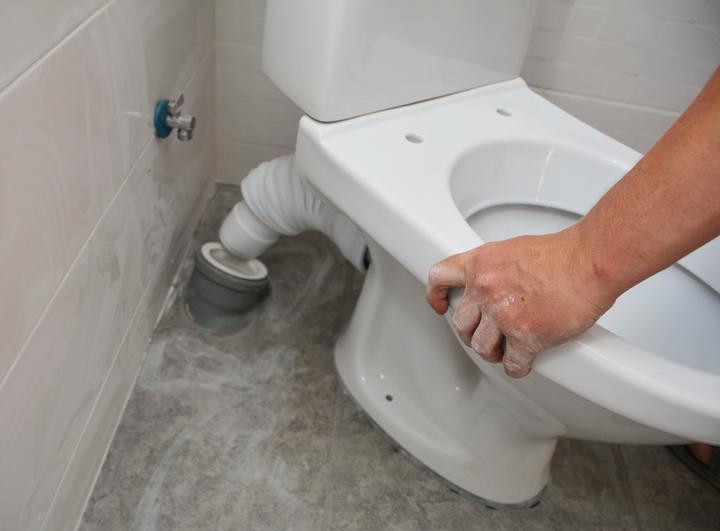
How much does it cost to install a new toilet?
To install a new toilet, you are looking at approximately £230 – 800 for labour and materials.
When obtaining a plumbing quote, the costs you need to consider when installing a new toilet are:
Labour costs
Plumbers usually charge by the hour or by the day. Hourly rates are between £40 and £100, and day rates are between £300 and £450 depending on where you live. London plumber rates are typically higher than those in the north of the country.
Supply costs
The type of toilet you choose to buy will affect the cost of your toilet installation. Not only do they differ in price but the installation cost can vary too.
Here we give you the the different types of toilets you can have and a rough idea of how much they will cost:
| Type of toilet | Supply cost | Labour cost |
| Close-coupled toilet | £150 – 250 | £80 – 200 |
| Low-level cistern | £125 – 300 | £150 – 250 |
| High-level cistern | £200 – 550 | £150 – 250 |
| Wall-hung cistern (hidden) | £150 – 400 | £250 – 400 |
| Smart toilet (hands-free) | £600 – 2000 | £350 – 500 |
| Get quotes | ||
What factors affect the toilet installation cost?
Ease of access and size of the room
The location of the toilet installation can impact the overall cost. For example, if the room is hard to access, labour costs may increase due to the added complexity.
Similarly, the size of the room can impact the price too. Installing a new toilet in a small, confined area – such as a downstairs cloakroom, can make it harder for the plumber to work efficiently, potentially pushing the labour cost toward the higher end.
Ease of access to the pipework can also affect the labour costs. If the pipes are in tight corners or boxed in, the job can be much more challenging, increasing the labour time and cost.
Free Service
Type of toilet
The type of toilet you choose will impact the toilet installation cost. Here are the different kinds of toilets you can choose from with a brief explanation:
Close-coupled toilet
A close-coupled toilet has a cistern or tank attached to the back of the toilet bowl, forming a single unit. It is the most popular type of toilet in the UK as it is affordable and easy to install.
Low-level and high-level cisterns
If you want a more traditional look, you can choose between low-level and high-level cisterns. However, they are more expensive to buy and install than close-coupled toilets.
The low-level cisterns are mounted on the wall with a visible flush pipe, while the high-level cisterns are placed higher on the wall and usually have a pull-chain flush.
Wall hung/ hidden cisterns
Wall-hung cisterns are mounted on the wall and hidden, so if you are after a sleek, minimal look, these are the ones to go for.
The downfall with these is that you usually have to pay a higher labour cost to install these toilets as the plumber has to create a suitable space to conceal the cistern. They can also be tricky to repair if the cistern is inaccessible.
Smart hands-free toilets
Smart toilets are the latest innovation in bathroom technology. They are luxury, high-tech toilets that are hands-free and have self-cleaning functions, making them much more hygienic. They also use less water than traditional toilets, therefore they are eco-efficient.
However, they come at a much higher initial cost to supply and install as they require electricity for all the advanced features.
Adjustments to existing plumbing work
If you are replacing a toilet like for like, then this should be a straightforward job and will keep the costs down.
On the other hand, upgrading your toilet to a different style can be a bit trickier and increase labour costs.
For instance, if the existing waste outlet (soil pipe) doesn’t line up with the new toilet, the plumber may need to move or extend pipework.
This will be additional work and will add on time, increasing labour costs.
Free Service
Existing plumbing systems condition
Before installing a new toilet, a professional plumber should check to see the condition of your existing plumbing.
Most importantly, if your soil pipes are damaged or in poor condition, they will need repairing or replacing before installing the new toilet. Again, this will be an additional cost to installing a new toilet.
Removal and disposal of old toilet
If you need the plumber to remove and dispose of your existing toilet, this will cost you around £80 – 100. The cost could be lower or higher depending on the complexity of the removal and whether you need them to dispose of it.
The tradesperson will need a commercial waste license to dispose of a toilet, which they must pay for, so they’ll want to cover this cost.
The plumber might also have to remove tiles to install the new toilet which again will add on more labour time.
Additional toilet installation costs
Fixing uneven floor
As part of their preparation, the bathroom fitter will check the floor level and advise you if it needs levelling. This is important because installing a toilet on uneven flooring can damage the toilet base or flooring and cause leaks.
The amount of floor levelling required will determine how much it will cost. In some cases, a simple application of levelling compound may be enough to create a smooth, even surface.
However, if the floor needs repairs or replacement with floorboards or underlay beforehand, this will increase both the workload and the overall cost.
Additional cosmetic work
After the toilet has been installed, you might want to factor in that there might be some touching up to do.
You may need to hire a tiler to replace the removed tiles. Tiling costs per m2 are in the range of £30 – 60 for labour only.
Or you may need to hire a painter and decorator to paint around the area, although to save on costs you could do this yourself!
Free Service
How much does a plumber charge to replace a toilet?
A plumber usually charges around £40 – 100 per hour to replace a toilet, depending on where you live and the type of toilet you are replacing with.
If it is a basic like-for-like toilet replacement, a plumber will usually charge around £100 – 200, and it should take them around 1 – 3 hours.
If replacing a traditional toilet with a hidden wall-hung toilet, expect to pay £200 – 500 more.

What is the cost to replace the toilet flush system?
You might need to replace a toilet flush system if the following things are happening:
- Toilet keeps running
- Slow refill after flushing
- Water leaking into the bowl
- Hissing or gurgling noises from the tank
The cost of replacing a toilet flush system is generally low to mid-cost plumbing, around £100 – 200, but it will depend on what kind of flush system you have, the labour rates in your area, and the ease of access to the job.
We detail below the different toilet flush systems you can have:
Push button flush systems
In these modern systems, two components inside the toilet cistern are called fill and flush valves. These valves control the water flow and ensure a reliable flush.
Both the fill and flush valves are inexpensive and easy to install. The cost to replace a toilet flush valve is around £100, including labour and materials. The flush valve part will usually cost around £10 – 25.
A syphon
A syphon is standard in older toilets with a handle flush. The part costs between £10 – 30 to replace, and again, it is not too difficult to install.
Dual flush systems
These toilet systems are a bit trickier to replace as they have more parts, which may increase labour time and, hence, costs.
Smart flush sensor
These toilet systems will undoubtedly cost you more, as the parts are more expensive and the job is more complex.
Free Service
How much does it cost to replace the toilet cistern?
A good alternative to replacing the whole toilet is replacing the toilet cistern. Depending on the type of toilet you have, the cost to replace the toilet cistern can be from £100 to over £300.
A low—or high-level cistern replacement will be cheaper than a hidden, wall-hung cistern. Not only are the supply costs higher for the latter, but the labour costs will be higher as the plumber will have to access the cistern, which might prove difficult.
Toilet drain pipe replacement cost
Replacing a toilet waste pipe can cost anywhere between £200 and 900 per metre, including installation.
Factors that affect this cost are:
- The size and length of the toilet waste pipe.
- The material – PVC pipes are the cheapest material, whereas copper is better quality but more expensive.
- The complexity of the job.
Above, we’ve discussed the cost to install a new toilet and the cost of replacing a toilet and its parts.
Hopefully, this gives you a rough guide for your project.
Next, to kick your project off, post a job to get quotes from local plumbers.